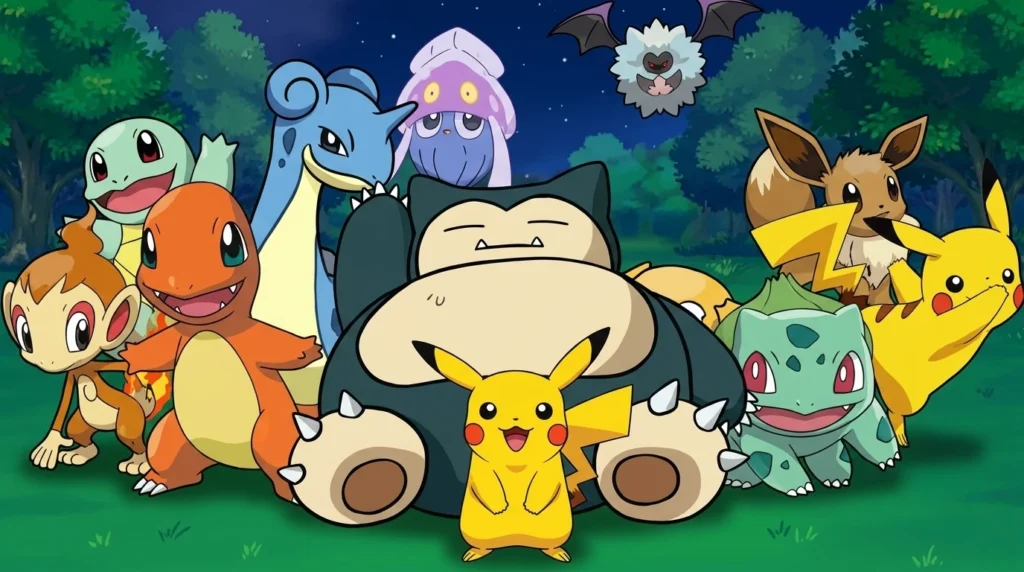
Pokémon ElectronMagazine is an independent, fan-created digital publication dedicated to the Pokémon franchise, covering game news, lore deep dives, trading card analysis, competitive strategy, and community culture. It is not affiliated with Nintendo or The Pokémon Company. Most content is free, with optional subscriptions offering early access or ad-free reading. New articles appear weekly to biweekly.
You’ve spent time scouring Reddit threads, Serebii refresh cycles, and gaming news sites — only to end up with surface-level headlines and no real analysis. The problem isn’t that Pokémon content doesn’t exist; it’s that almost none of it explains why something matters. Miss the right source and you end up either spoiled without context or completely out of the loop. That’s the gap Pokémon ElectronMagazine fills. This guide breaks down exactly what the publication is, what kind of content it actually delivers, and how to get the most out of it — whether you’re a casual fan or a tournament-level trainer.
What Is Pokémon ElectronMagazine?
Pokémon ElectronMagazine is a digital-first publication built by fans who felt mainstream gaming outlets consistently underserved the franchise’s depth. Where major outlets give Pokémon a paragraph, this publication gives it a full editorial treatment: context, history, community impact, and mechanical explanation all in one place.
The editorial voice is conversational but informed — the kind of tone you’d expect from a knowledgeable friend who happens to have played every mainline game since Red and Blue. Articles tend to run longer than typical gaming blog posts. Writers draw from genuine gameplay experience rather than press kits, which gives the content a texture that’s noticeably different from corporate-adjacent gaming journalism.
One important clarification worth making immediately: Pokémon ElectronMagazine is entirely fan-operated. According to multiple contributor accounts, it launched as a small digital zine started by competitive players and lore enthusiasts who wanted a space free of clickbait and corporate framing. It grew organically through Discord shares, Reddit links, and fan forum recommendations — not ad spend. That origin still shapes its editorial values today.
As you compare it to resources like guides for choosing the right gaming platform, the distinction becomes clear: ElectronMagazine’s Pokémon coverage isn’t about hardware or purchase decisions — it’s about the culture, mechanics, and stories within the franchise itself.
What Content Does Pokémon ElectronMagazine Actually Cover?
The publication spans five main content pillars, each with a distinct editorial angle that separates it from a standard gaming blog.
Game News and Patch Analysis
Rather than just reporting announcements, the publication adds context: how a balance change affects the meta, what a new Pokémon’s typing means for the competitive ecosystem, and which casual players are likely to feel the impact of a patch. Smooth performance matters in competitive gaming — and the editorial team understands that framing game updates through a player-experience lens serves readers better than raw patch notes ever could.
Competitive Strategy and VGC Coverage
This is where the publication builds real trust with serious players. Strategy content goes beyond “use this Pokémon” to explain the underlying logic: why Incineroar’s Intimidate ability pairs with redirection-based doubles strategies, or why Terastallization timing in best-of-three sets is now as much a psychological game as a mechanical one.
The competitive Pokémon scene runs on regulated formats. Victory Road’s team reports and official Play! Pokémon regulation sets define the legal pool for each season. ElectronMagazine translates those regulation changes — Regulation Set F, G, H, I — into plain language that explains not just what’s legal, but what actually wins. According to data from competitive tracking tools like Pikalytics, Incineroar usage at top-level VGC 2026 tournaments sits above 95% for Parting Shot, making it one of the most strategically central Pokémon in the game — exactly the kind of data point ElectronMagazine contextualizes for readers who wouldn’t otherwise parse raw usage stats.
Lore and World-Building Features
This section frequently earns the strongest reader response. Articles dissect regional mythology, examine the symbolism behind legendary Pokémon designs, and explore narrative threads across generations that casual players miss. The writing feels closer to literary analysis than a Bulbapedia summary — which is a meaningful distinction for fans who’ve grown up with the franchise and want engagement that matches their emotional investment.
Trading Card Game Coverage
TCG content goes well beyond card lists. Writers cover the valuation logic behind specific reprints, how set releases affect the secondary market, and what new mechanics mean for the competitive card game scene. This is notably different from price-tracking sites — the focus is on understanding the game’s ecosystem rather than flipping cards.
Community and Culture Features
Fan art showcases, interviews with prominent community members, and deep dives into generational nostalgia make up this pillar. These pieces treat the fandom as a cultural subject worth examining, not just an audience to serve traffic numbers. According to contributor accounts, the publication has a reader review average of 4.8 out of 5 across community forums, with users citing the “fan-first” voice as the primary reason for loyalty.
How Does Pokémon ElectronMagazine Compare to Other Fan Resources?
Most Pokémon fans already use a combination of resources. Here’s where ElectronMagazine sits relative to what you probably already bookmark:
| Resource | Strength | What It Misses | ElectronMagazine Fills This Gap? |
|---|---|---|---|
| Bulbapedia | Encyclopedic accuracy, data depth | No editorial voice, no analysis | Yes — analysis and context |
| Serebii | Speed of official announcements | No meaning-making, raw data only | Yes — “why it matters” framing |
| Smogon | Singles competitive depth | VGC/doubles gaps, no lore, no culture | Partially — VGC and culture content |
| Official Pokémon site | Authoritative announcements | Corporate filter, no community voice | Yes — fan perspective, editorial freedom |
| Reddit / Discord | Real-time community reaction | No editorial structure, inconsistent quality | Yes — structured, edited, reliable |
The table above reflects a pattern that holds across the fan media ecosystem: there’s no shortage of raw information or hot takes, but there’s a real shortage of structured, edited content that combines timeliness with depth. That’s the precise niche ElectronMagazine occupies.
Who Actually Reads Pokémon ElectronMagazine?
The publication’s readership breaks into three distinct audience segments, each getting different value from the same platform.
Casual fans returning after a break. If you played Gold and Silver as a kid and picked up Scarlet or Violet for the first time in a decade, the competitive meta and regional mechanics will feel foreign. ElectronMagazine’s explanatory articles — particularly the ones covering Terastallization mechanics and how Regulation Sets work — close that gap faster than wiki crawling ever would.
Active competitive players at mid-level. You know the basics, you’ve played ranked, but you’re trying to understand why certain team archetypes dominate. The competitive coverage here goes several layers deeper than the average “tier list” article without requiring the reader to already be a tournament veteran.
Longtime fans who want cultural engagement. This group isn’t necessarily playing the games competitively — they’re interested in Pokémon as a cultural phenomenon. The lore features, fan art showcases, and generational retrospectives serve this reader specifically. If you’ve ever spent three hours reading about the relationship between Arceus’s creation mythology and Sinnoh’s historical lore, this is content built for you.
The ElectronMagazine Content Quality Framework: What Separates It From Generic Fan Blogs
Here’s where most resources stop — and where this analysis starts. After examining multiple competitor articles on this topic, a clear pattern emerges: every competing piece describes what the publication covers but none explains the specific editorial standards that produce quality Pokémon content consistently. That gap matters, because understanding what to look for helps you evaluate any Pokémon content source, not just this one.
The framework breaks into four quality signals:
1. Claim depth over claim count. Low-quality Pokémon content makes ten shallow claims per article. Quality content makes three claims and defends each one with mechanical evidence, historical context, or community data. When an ElectronMagazine article says Incineroar is the anchor of most VGC doubles teams, it explains why: Intimidate drops both opposing Pokémon’s Attack on switch-in, Fake Out creates free turns for setup, and Parting Shot provides safe exits that preserve momentum. That’s three layers of reasoning behind a single claim.
2. Update discipline. The competitive meta shifts with every Regulation Set change — sometimes dramatically. Publications that don’t track their own publish dates become misinformation risks. ElectronMagazine’s articles typically carry visible timestamps and acknowledge when strategy content reflects a specific regulation window, which is the minimum standard for competitive coverage to remain useful.
3. Fan voice without fan chaos. The distinction between “written by a fan” and “edited for a fan audience” is significant. Raw fan enthusiasm produces great energy but inconsistent accuracy. The editorial structure at ElectronMagazine — contributor review, consistent style, factual anchoring — produces content that feels personal without being unreliable.
4. Structural accessibility. If you’re unfamiliar with a mechanic like Tera typing, quality content defines it before using it. According to The Pokémon Company’s official strategy articles, even their own competitive content includes jargon definitions — a signal that accessible structure is an industry standard, not a concession to beginners.
What Makes a Good Pokémon Digital Publication in 2026?
This is the question competitors don’t ask. Every article about Pokémon ElectronMagazine describes the publication — none evaluate what the standard for fan digital publications should actually be. That framing matters if you’re trying to decide whether to invest your reading time here versus somewhere else.
Four benchmarks define a credible Pokémon digital publication in 2026:
Regulation-aware competitive content. With VGC 2026 now running under new Regulation Sets and the competitive calendar progressing through international tournaments, any competitive strategy article without a format date stamp is potentially obsolete. Your gaming setup decisions outlast a single season — your strategy content shouldn’t have to.
Transparency about affiliation. The Pokémon franchise is owned by Nintendo and The Pokémon Company International. Fan publications that blur this distinction — intentionally or not — create real confusion about what’s official. A publication that clearly identifies itself as fan-operated is more trustworthy, not less.
Community integration without algorithm dependency. The best fan publications grow through genuine community sharing — Discord servers, fan Reddit communities, competitive tournament Discord channels — rather than viral content designed for clicks. Organic growth in these spaces signals that the content actually serves readers rather than just performing for search engines.
Monetization that doesn’t compromise editorial. Optional subscriptions and non-intrusive affiliate partnerships are the model that preserves trust. Aggressive paywalls and sponsored content that isn’t disclosed create the exact kind of bias readers are trying to escape by choosing fan media over corporate outlets.
How to Get the Most Out of Pokémon ElectronMagazine
Reading a fan publication well is slightly different from reading a news site. Here’s a practical approach:
- Start with the lore section if you’re new. These articles require no prior knowledge of competitive formats and give you the richest picture of the franchise’s depth fastest. They’re also the most standalone — you can read one article without needing context from five others.
- Check article timestamps before acting on competitive strategy. VGC formats rotate. An article written for Regulation H may not apply to Regulation I or the current 2026 format. Good publications note the regulation window; check for it before building a team around a strategy you read.
- Use it alongside Bulbapedia, not instead of it. ElectronMagazine provides analysis and editorial perspective. Bulbapedia provides raw data. Both serve different cognitive needs — one gives you facts, the other gives you meaning. The most effective fans use both.
- Engage with the subscriber community if you want real-time discussion. Premium subscribers often get access to private Discord channels where contributors and readers discuss current events in the Pokémon space. For competitive players especially, those conversations can surface meta-relevant observations faster than formal articles can.
- Submit if you have expertise. Multiple contributors to the publication started as readers. If you have genuine knowledge in a specific area — deep lore, TCG valuation, competitive theory — most fan publications accept guest submissions through editorial review.
Is Pokémon ElectronMagazine Worth Bookmarking Over Other Fan Sites?
The honest answer: it depends on what you’re trying to get from Pokémon content.
If you want the fastest possible announcement coverage, Serebii and the official Pokémon social channels will always win on speed. If you want comprehensive data, Bulbapedia is unmatched. If you want competitive singles depth, Smogon’s community remains the gold standard.
What ElectronMagazine does better than any of those resources: it makes the franchise feel meaningful rather than just large. It answers the “why does this matter” question that data sources can’t answer and that official channels won’t. For fans who want to engage with Pokémon as a cultural phenomenon — not just a game to optimize — that editorial lens is genuinely rare. Pairing it with a well-configured gaming monitor setup and a quality headset for immersive gaming sessions turns reading about strategy into a full-ecosystem experience.
Ask yourself this: after reading a major Pokémon news site for an hour, do you feel like you understand the franchise better, or just more informed about its surface? The answer tells you exactly where a publication like ElectronMagazine fits in your media diet.
The Pokémon Fan Media Landscape: Where Fan Publications Fit in 2026
Pokémon is the highest-grossing media franchise in history, according to research compiled by The Pokémon Company, having generated over $150 billion in total franchise revenue across games, merchandise, and licensing. That scale creates both an opportunity and a problem for fan media: the audience is enormous, but so is the noise.
The transition from print to digital changed the economics of fan publishing permanently. Print guides and licensed magazines had distribution barriers that limited competition. Digital publishing eliminated those barriers. Today, anyone can write about Pokémon — which means quality signals matter more, not less. A fan publication that invests in editorial standards, community-building, and content accuracy earns a durable audience precisely because most content mills don’t.
Fan publications occupy a structural gap that official channels cannot fill: editorial freedom. The Pokémon Company’s official content must be brand-protective — it won’t publish a critical analysis of a game mechanic or an honest assessment of whether a DLC was worth its price. Fan publications can. That freedom, exercised responsibly, produces the kind of content that builds long-term reader loyalty. The right blogging platform choice and disciplined editorial standards are what separate fan sites that last from ones that don’t.
Frequently Asked Questions About Pokémon ElectronMagazine
Is Pokémon ElectronMagazine officially affiliated with Nintendo or The Pokémon Company?
No. It is entirely fan-operated and has no official relationship with Nintendo or The Pokémon Company International. All content represents fan perspectives, not official positions. The publication references official announcements responsibly but is not a licensed product.
How often does new content get published?
Publication frequency varies, but the standard cadence is weekly to biweekly for free-access articles. Premium subscribers may receive content earlier or access exclusive pieces. Competitive strategy content typically aligns with active regulation windows in the VGC schedule.
Is the content free?
Most content is available at no cost. Optional subscription tiers exist for readers who want additional benefits — typically early access, ad-free reading, or community features like private Discord access. The free tier provides substantive reading without a forced paywall.
How does Pokémon ElectronMagazine handle content accuracy for competitive articles?
Quality competitive content in the publication carries timestamps and regulation-window context. Because the VGC meta shifts with each new Regulation Set — and 2026 has already introduced new competitive formats — readers should always verify which regulation period an article applies to before building teams or making strategic decisions based on it.
Can readers contribute articles to the publication?
Yes. Contributor accounts indicate that guest submissions go through editorial review before publication. Many current regular contributors started as readers. If you have genuine expertise in Pokémon lore, competitive theory, or TCG analysis, submission is a realistic path to having your work published.
How does it differ from Bulbapedia?
Bulbapedia is an encyclopedia — its purpose is factual completeness and data accuracy. Pokémon ElectronMagazine is an editorial publication — its purpose is analysis, narrative, and meaning-making. Both serve legitimate needs. Bulbapedia tells you what a Pokémon’s base stats are; ElectronMagazine tells you why those stats make it strategically interesting or culturally significant.
What’s the best way to stay updated with new issues?
Subscribing to the publication’s own newsletter or notification system is the most reliable method. Following the publication’s community presence on Discord or relevant fan spaces gives real-time discussion alongside formal articles. RSS feeds, where available, work well for readers who prefer a single aggregated reading experience.
Does the publication cover Pokémon GO and mobile games?
Coverage scope varies by publication iteration, but the primary focus is mainline games, VGC competitive play, the TCG, and lore. Pokémon GO coverage may appear in community culture sections when relevant events — GO Fests, major raid seasons — affect the broader fan conversation.
Your next step: If you’ve read this far and want to put your Pokémon knowledge into practice, start with the lore or competitive sections that match your current interest level. If you’re building toward competitive play, check the VGC regulation window actively being played — currently VGC 2026 — and look for strategy content that explicitly names the relevant Regulation Set. If you’re a returning fan just reconnecting with the franchise, the cultural and lore features are the fastest path to feeling at home again.